.png)
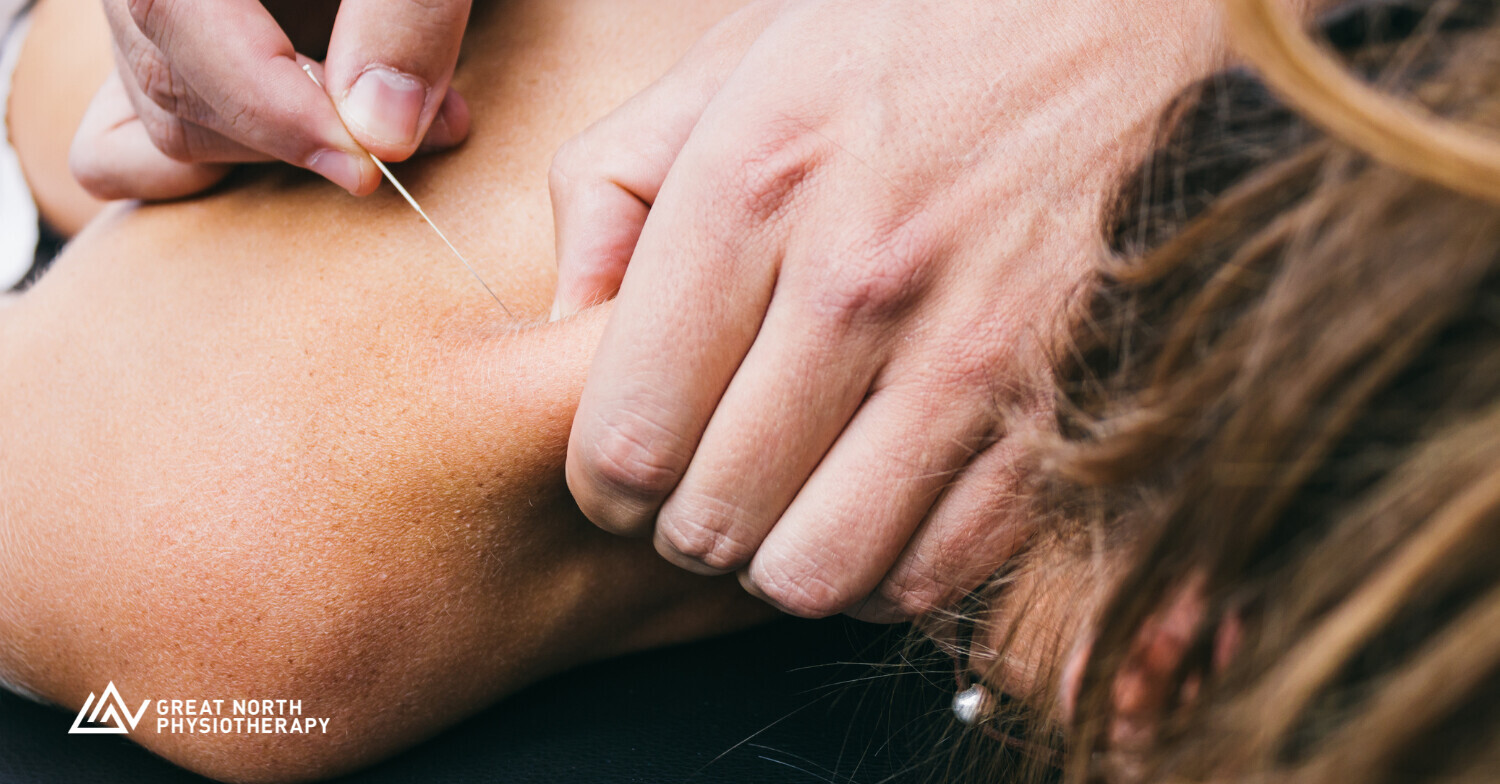
Many people are surprised to learn that not all needle-based treatments are the same. Intramuscular Stimulation (IMS) and traditional acupuncture both use fine needles, but they come from very different philosophies, training backgrounds, and treatment goals. Understanding the difference can help you feel confident choosing the approach that best suits your needs.
WHAT IS INTRAMUSCULAR STIMULATION (IMS)?
Intramuscular Stimulation (IMS) is a physiotherapy treatment technique used to relieve pain and restore movement by targeting tight, shortened muscles and irritated nerves. It is based on Western medical science and focuses on identifying the underlying mechanical and neurological causes of pain rather than simply treating symptoms.
Physiotherapists trained in IMS insert very thin needles into specific muscle trigger points. This can stimulate a small muscle twitch response, helping the muscle relax and improving blood flow to the area.
WHAT IS TRADITIONAL ACCUPUNCTURE?
Traditional acupuncture is rooted in Traditional Chinese Medicine (TCM) and has been practiced for thousands of years. It is based on the concept of balancing energy flow (often referred to as Qi) through pathways in the body called meridians.
Practitioners insert needles into specific acupuncture points to restore balance and support overall health. Treatment may be used for a wide range of concerns, including pain, stress, digestion, sleep, and general wellness.
KEY DIFFERENCES AT A GLANCE
IMS Acupuncture
- Western medical approach
- Targets muscles and nerves
- Focused on musculoskeletal pain
- Performed by trained physiotherapists
- Based on anatomy & neurophysiology
Traditional Accupuncture
- Traditional Chinese Medicine approach
- Used for broader wellness concerns
- Performed by licensed acupuncturists/TCM practitioners
- Based on energetic theory
- Targets energy meridians
What Does IMS Feel Like?
Clients often experience a brief muscle twitch, mild cramping, and/or a deep ache that quickly fades. These responses are normal and often indicate the muscle is releasing tension. Many people report improved mobility and reduced pain shortly after treatment.
Who Might Benefit From IMS?
IMS is commonly used to help treat the following conditions:
- Chronic muscle tightness
- Neck and back pain
- Sciatica
- Tendon pain
- Headaches related to muscle tension
- Postural strain
- Sports injuries
- Bursitis
It’s typically recommended when pain is linked to muscle shortening or nerve irritation rather than inflammation alone.
Is One Better Than the Other?
Neither treatment is “better” - they simply serve different purposes.
If your concern is musculoskeletal pain, movement restriction, or injury recovery, IMS may be the most targeted option.
If your goal is overall wellness, stress reduction, or systemic balance, acupuncture may be a better fit. A qualified practitioner can help determine which approach aligns best with your goals.
The Bottom Line
Although IMS and acupuncture may look similar from the outside, their methods, reasoning, and treatment outcomes are distinct. IMS is a science-based physiotherapy technique focused on restoring muscle and nerve function, while acupuncture is a holistic practice centred on balancing the body’s energy systems.
Both have value - the key is choosing the right tool for the right condition.
Want to learn more? Book an appointment with Trevor Kwolek at Great North Physiotherapy in Niagara-on-the-Lake or St. Catharines. Schedule online at www.greatnorthphysio.ca or call 289-606-0966 to speak with our team.
Always consult a healthcare professional before starting a new exercise routine and prioritize consistency and good form for optimal benefits.
.png)
Great North Physio
Contact Me.jpg)
.jpg)
.jpg)